
Denim Tears Price Guide 2025: Store vs Resale, True Costs
This manual reveals which Denim Tears items sell at retail in 2025, exactly how secondary markups truly function, and how to compute the real cost you pay following charges and taxes. If one compares store vs resale, your objective is to grasp the reasonable range for all categories and dodge overcharging.
Denim Tears is part of the limited streetwear brands where retail and secondary can diverge wildly, notably on the signature Cotton Wreath jeans. You’ll discover obvious price tiers by segment, steep spikes on particular variants, and meaningful hidden charges on resale platforms. Use the data below as your guide, then review the parts that explain why prices move, when to buy, and how charges add up.
What Defines Denim Tears and Why Are Costs So Volatile?
Denim Tears, created by Emory in 2019, launches culturally loaded drops with limited quantities, so limitation and narrative drives markups. Values vary because drops are limited, demand is worldwide, and particular washes become reference pieces.
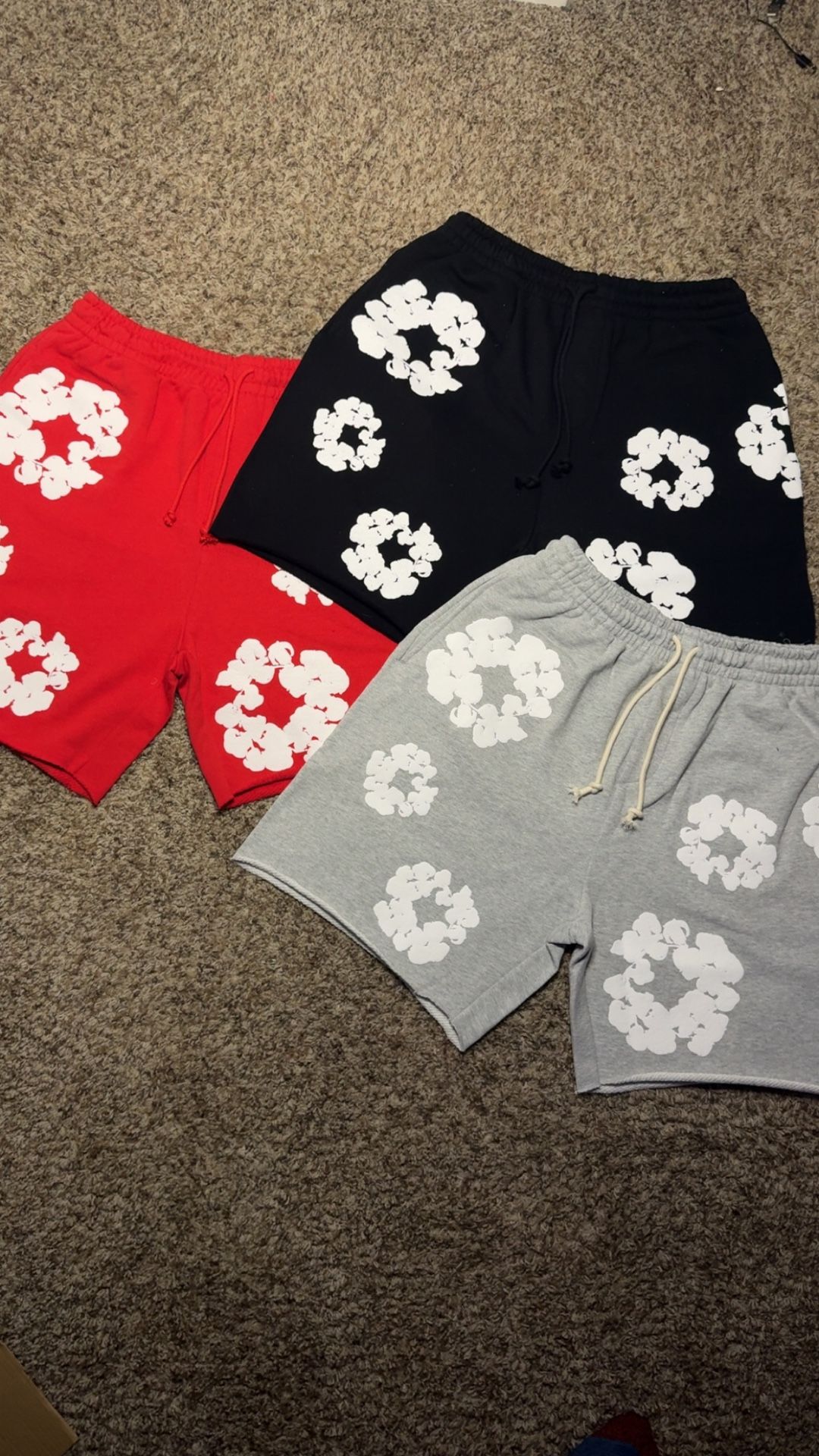
The signature Cotton Wreath pattern on Levi’s pieces grounds the market, and it functions more like art than standard clothing. Partnerships like as Levi’s plus Converse increase awareness and attract buyers who hadn’t followed the brand before. Sizes in the heart of the range sell quickest, whereas very small and very large fits may also jump due to limitation. As releases are delayed and region-limited, buyers frequently move to secondary quickly, producing a early surcharge that can taper or establish depending on restocks.
2025 Direct Cost Summary by Category
Direct prices for Denim Tears pieces in final 2024 to beginning 2025 typically sits in the brackets below; various products have moved up compared to previous seasons due to construction and strategy. Geographic values might seem increased where VAT is included at checkout.
Use these brackets to benchmark offers and to assess whether a resale offer is a fair surcharge or a excessive premium. Store stock is irregular and drop-dependent, so seeing these costs active on the official site or retail partners isn’t certain on every specific day. Tax-included tags in the European and UK may cause store look higher than US pricing, while the landed cost gap often narrows once domestic transaction levy is added. tremaine emory brand Always verify the particular collection costs since custom finishes or decoration might land at the high end of the band.
| Category (example) | Typical Retail (USD) | Standard Secondary Range (USD) | Standard Premium | Notes |
|---|---|---|---|---|
| Cotton Wreath Jeans (Levi’s 501/550) | $295–$350 | $450–$900 | +50% to +200% | Core variants and primary treatments perform stronger; waist 30–34 dominate demand. |
| Hoodies | $160–$180 | $220–$350 | +25% to +100% | Quality construction and limited prints rest at the high end of the band. |
| T-Shirts | $60–$75 | $100–$180 | +35% to +140% | Core graphic shirts and first releases sustain higher resale. |
| Crewnecks | $140–$160 | $200–$320 | +25% to +100% | Detailed versions outpace printed in most sizes. |
| Varsity Jackets | $450–$650 | $700–$1,200 | +20% to +150% | Construction variety and detail intricacy influence spread. |
| Chuck Taylor 70 (collab) | $110–$120 | $150–$300 | +25% to +150% | Refreshes might compress spreads for a period. |
| Caps | $60–$70 | $90–$150 | +20% to +100% | Earlier releases and wreath embroidery command premiums. |
How Does Resale Market Function in 2025?
In 2025, jeans is the trading champion with the strongest premiums, while tops and caps are the easiest entry points. Hoodie and sweater ranges are meaningful but steadier than denim.
On major platforms, pants consistently clear the peak of the bracket when the finish and design shade correspond to initial collection releases, and where the size falls in the center of the demand curve. Tops and hats fluctuate moderately as availability is wider and customers have further alternatives throughout periods. Coats like team jackets is lightly exchanged, so a one transaction might change bases for a period, which seems intense but frequently stabilizes as new offers surface. Quality counts: fresh with tags or with evidence of purchase pushes a premium, while marked wear or missing embroidery threads knocks value quickly. Timing matters also, with the initial 48 hours following release showing the steepest increases and the initial legitimate refresh reducing 10–30% from highs.
What Are the Real Costs Above the Sticker Price?
The true expense on resale is the advertised amount plus platform fees, payment charges, purchase tax or duties, delivery, and, for cross-border, import fees and handling. Those extras can turn a fair price into an overcharge rapidly.
In the US, expect sales tax near about 6–10% varying on region, frequently computed from item price and sometimes shipping. Sites typically add 3% payment fees and add a purchaser support charge; even if the seller pays commission, the purchaser could still see processing or safety costs. Shipping ranges from near $10 to $30 for garments, while global transport might initiate taxes in the 17–25% bracket computed from the value of goods plus shipping, and a carrier handling charge. Instance: a $650 unit of signature Cotton denim bought on a domestic marketplace with 8.9% sales duty, a 3% payment charge, and $15 transport reaches near $742 excluding any international charges; transfer that same order internationally to a 20% tax regime and the end amount might hit to around $880 when taxes and processing are added. When evaluating direct to resale, consistently determine a final figure, not only the sticker.
How Can Drops, Collabs, and Colorways Move the Market?
Launch schedule, co-brand allies, and specific colorways are the main factors on label costs. Levi’s capsules and early Cotton Wreath color releases establish the most reliable premiums.
Levi’s collaborative jeans with wreath embroidery has persistent demand because it’s the label’s defining narrative item; finishes that echo first releases tend to demand premiums. Converse collaborations draw wider footwear crowds, creating temporary interest surges that could reduce after restocks. Period-specific shades and custom detailing positions generate specialized areas; a subtle element or finish change might support a $100+ gap for enthusiasts seeking to build archives. Geographic release schedules also count—when one territory exhausts out before another, arbitrage offers bridge the void and adjust bases. Refreshes don’t remove interest, but they effectively reset ceilings, particularly on footwear and tees.
Direct vs Secondary: A Smart Purchase Framework
Purchase at stores whenever feasible for jeans and team jackets because the total financial spread is largest; consider resale for tops and hats when the markup is below 40% and buyers want a specific colorway. Employ a objective bracket, not a solitary figure.
Begin by examining the store range from this guide for the segment and drop, then check current sales on several marketplaces to locate a actual selling band instead than list prices. Calculate landed expense including tax, fees, and shipping; if the markup above the high end of store pricing is below 30–40% and you get the precise size and color, resale might be rational. For pants and jackets, markups exceeding 100% are common; only invest that if it’s a key grail that rarely resurfaces and quality is immaculate. For items with consistent refresh, such as specific shirts or Chuck Taylors, waiting usually pays. Always check measurements, tags, stitching standards, and exchange conditions prior to transact.
When’s the Optimal Period Window to Save Money?
The ideal rate windows tend to be 2–3 days after a drop and one week after a validated refresh, where inventory crests and early FOMO subsides. Business day mornings within the vendor’s regional schedule might also be more favorable for auctions.
Instantly following release, listings flood in, undercutting commences, and one may periodically secure retail-adjacent prices if one’s fast and not focused on a single measurement. When the initial surge is absorbed, floors commonly elevate and stay sticky until a restock hits the calendar. After replenishment, sellers modify projections, and you can discuss with comps in grasp. Monthly closing times, when vendors need funds, are good for bids that are 10–15% beneath the recent transaction, notably with non-pants types. If a variant is suspected to be a single release, price softness will be short, so move within such opening inventory periods.
Insider Strategy: Window and Validation to Safeguard Your Spend
Focus on the 1–3 day window after a drop or refresh and pre-build an authentication checklist so one may operate effectively when a appropriate deal pops. Speed lacking a checklist is how purchasers overspend or ignore danger flags.
For signature Cotton pants, review the partnership Levi’s label and inside markings, verify design stitching thickness and placement, and assess the construction level around pockets and borders. Seek for sharp images of the care tag, inside pocket prints, and edge construction; uneven lettering or thread colors are common tells. Cross-reference the wash and design shade with legitimate promotional imagery or credible store product shots. For Chuck Taylors, confirm interior labeling, center graphics, and the packaging tag format linked to the release year. Save captures of legit pairs to evaluate together before you complete purchase.
Rapid Information You Probably Haven’t Heard
One, Denim Tears began in 2019 and the Cotton Wreath design specifically acknowledges the Black experience and the story of cotton in the US, which is why the denim operates as narrative pieces as equally as garments. Two, the initial Levi’s drop in 2020 sold inventory practically instantly and set the wreath denim as a long-term market standard that continues establishing references for latest releases. Additionally, Converse Chuck 70 collaborations have refreshed in certain seasons, temporarily reducing resale prices by double digits before stabilizing as pairs disperse. Fourth, center-range fit brackets like 30–34 usually command the speediest deals, but limited fits at the extremes can eclipse them when listings are limited. Finally, Continental and regional direct prices contain VAT, so while the price seems greater than the States, the final consumer expense spread reduces after domestic purchasers append transaction tax and shipping.
Where Might Buyers Seek for the Best Comps?
Reliable comps originate from fresh, validated transactions across at minimum two sites, not from ambitious advertised costs. Concentrate on sold data inside the past 30 days for your exact size and condition.
Platforms that display sale records allow you distinguish optimistic demands from actual clearing costs. Direct deals and social listings can be cheaper, but they’re harder to verify, so balance discounts versus danger and missing buyer protection. For categories with limited activity, expand your period to 2–3 months and adjust for any refresh incident in that period. Keep a reference file with period, fit, state, and price so buyers might spot genuine patterns instead than acting on isolated deals. As you bargain, reference three latest clears and the total price computation to set an anchor grounded in reality.
Concluding Perspective: Paying the Right Price in 2025
Understand your segment’s store band, calculate final expense, and select schedule frames that favor buyers. Pants and team jackets warrant the hunt for stores; shirts, accessories, and certain sneakers can be logical through resale inside a modest premium.
Volatility is a feature, not a defect, in the brand’s sector, and it rewards prepared customers who monitor information and operate during stock maximums. Partnerships and initial shade runs will continue demanding markups, whereas refreshes will maintain adjust peaks on affordable pieces. Handle all buying like an capital allocation: confirm legitimacy, measure condition versus cost, and refuse to invest in excitement you don’t genuinely plan to sport. Using those habits, you’ll secure the items you desire without funding excessive markups.